Emergency Plumbing in Belleville, Illinois: What to Do First
When water flows where it should not, holding steps limit damage before help arrives. This guide explains shutoffs, gas and sewer cautions, and what to do outside office hours.
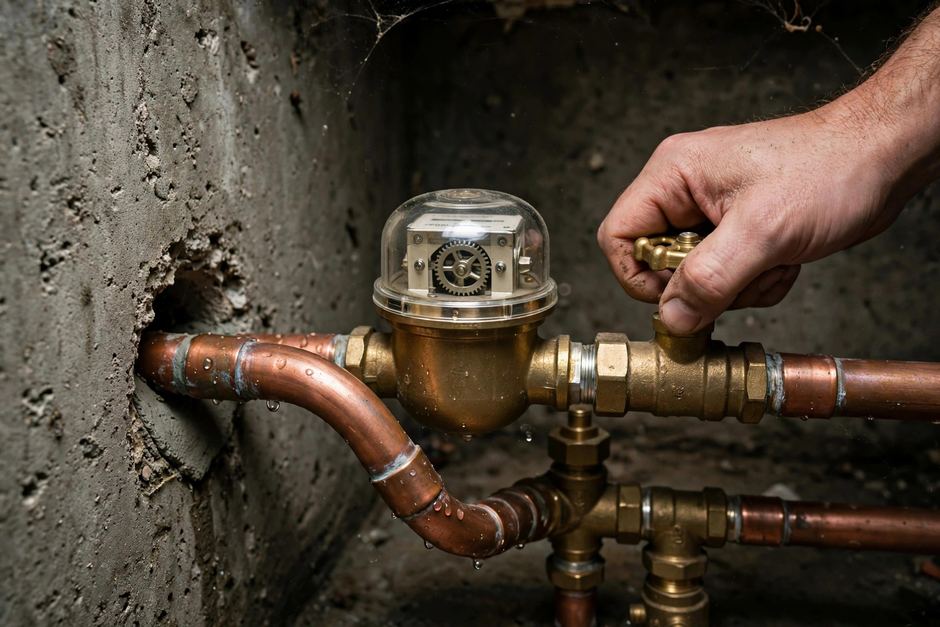
Plumbing trouble rarely waits for a convenient moment, and the first steps after discovery shape how much damage follows. Shutting off water, leaving where gas smell is present, and avoiding contact with sewage are holding steps that any household member can learn in advance. Emergency plumbing services discussions start with those steps, not with repair details.
This guide gives first steps only, not repair instructions. Plumbing work in Illinois is restricted under the Illinois Plumbing License Law (225 ILCS 320), and the homeowner exception covers single-family owner-occupant homes only. Holding steps described here are shutoffs and cautions, while repair work belongs with a plumber in Belleville, Illinois.
First Steps When Water Flows Where It Should Not
When water flows from a burst pipe, a failed connection, or an overflowing fixture, shutting off water comes first. The main water shutoff stops flow to the whole home, while fixture shutoffs stop flow to one fixture, and the nearest effective shutoff is the one to use. Closing the shutoff limits the volume that escapes while help is arranged.
Electrical caution follows shutoff. Standing water near outlets, appliances, or electrical panels carries a shock hazard, so wading through standing water to reach a shutoff or panel should be avoided where an alternative path exists. Moving belongings away from spreading water, and containing flow with towels at doorways, limits damage to floors and furnishings while waiting.
Gas Smell: Leave and Call the Utility First
A gas smell means leaving the building and calling Ameren Illinois at 1-800-755-5000 or 911 first, from a safe distance. Do not stay inside to search for the source, do not handle heater or appliance controls, and do not re-enter until the utility or emergency responders say the building is safe. The utility response comes before any plumbing discussion, in every case.
Gas smell during any plumbing trouble follows the same rule, including smell noticed while checking a water heater, a flooded utility area, or a fixture fault. Leaving first protects everyone in the building, and calling from a safe distance keeps the call itself safe. Plumbing help addresses the plumbing fault only after the utility clears the building.
Sewer Backup: Cautions Before Cleanup
Sewage backup brings water that carries waste, and contact with that water should be avoided. Keep people and pets away from affected areas, avoid using fixtures that add water to the backed-up line, and keep the area ventilated where that can be done without entering standing sewage. Cleanup itself needs care beyond the holding steps described here.
Sewer backup can follow heavy rain in combined-sewer portions of Belleville, as the City itself states, and can also follow blockages in the home lateral. Reducing water use while waiting limits the volume reaching the backup, and noting which fixtures back up first helps the plumber assess the pattern. Do not run dishwashers or laundry while backup is active.
No Water or No Hot Water: Observation Steps
No water at all calls for observation before action. Note whether the loss affects the whole home or one fixture, whether hot water alone or all water is affected, and whether the change was sudden or gradual. A whole-home loss differs from a single-fixture fault, and the pattern shapes the next step, including whether the water provider should be checked.
No hot water alone points to the heater rather than the supply, with pilot, ignition, thermostat, and heating faults as general causes. Gas and electrical controls stay untouched, and gas smell means leaving and calling the utility first. Observation of pattern and timing, without handling controls, is the contribution that helps the plumber most.
Shutoffs to Know Before Trouble Starts
Every household member old enough to act should know the main water shutoff location and how it turns, plus fixture shutoffs at toilets, sinks, and the water heater water supply. Access to each shutoff should stay clear, and valves should turn without forcing when checked. A shutoff that resists turning during a calm check will resist during trouble as well.
Gas shutoff is utility territory, and this guide gives no instruction for operating a gas meter valve. Where gas smell is present, leaving and calling Ameren Illinois at 1-800-755-5000 or 911 first is the step, not valve operation. Knowing shutoff locations in advance, and checking them during calm periods, prepares the household for trouble without improvisation.
- Main water shutoff location and operation
- Fixture shutoffs at toilets and sinks
- Water heater water supply shutoff
- Gas smell response without valve handling
Preventing a Repeat: Backwater Valves and Sewer Checks
Backwater valves may be installed in building drains where backflow could occur, under the Illinois Plumbing Code, which treats backwater valves as permissive rather than mandatory in the text read. A backwater valve lets wastewater flow out while resisting flow back into the home during surcharge events. Whether a valve fits a given home depends on drain layout and backup history, assessed by a plumber.
Sewer camera inspection supports prevention planning by showing lateral condition, including cracks, offsets, root entry, and bellies that shape backup risk. Camera findings, combined with backup history, frame prevention choices far better than symptoms alone. Prevention discussions belong with a plumber during office hours, after any active backup event is addressed.
When to Call and What Happens Outside Office Hours
Call Hinkle Plumbing Company at (618) 677-6556 during office hours, Monday through Friday, 8:00 AM to 4:30 PM, for plumbing trouble in Belleville, Illinois. The office is closed Saturday and Sunday, and no after-hours availability is implied here. Describe the fault, the holding steps taken, and whether gas smell or sewage is involved, so the call can be framed accurately.
Outside office hours, holding steps carry the household until office hours return: shut off water where flow is active, avoid contact with sewage, reduce water use during backup, and keep the home heated during cold periods. Gas smell always means leaving and calling Ameren Illinois at 1-800-755-5000 or 911 first, and water supply issues may mean checking with the water provider. Repair work belongs with a plumber.
Frequently Asked Questions
What is the first step when gas smell is present?
Leave the building and call Ameren Illinois at 1-800-755-5000 or 911 first, from a safe distance. Do not stay inside to search for the source, do not handle controls, and do not re-enter until the utility or emergency responders say the building is safe. The utility response comes before any plumbing discussion.
What should happen first during a sewer backup?
Avoid contact with sewage water, keep people and pets away from affected areas, avoid using fixtures that add water to the line, and reduce water use while waiting. Noting which fixtures back up first helps the plumber assess the pattern. Cleanup needs care beyond the holding steps, and fixtures adding water should stay off.
Where is the main water shutoff?
Main shutoff location varies by home, often near where the water line enters the building, in a basement, utility area, or crawl space entry. Every household member old enough to act should know the location and how the valve turns, with access kept clear. A valve that resists during a calm check needs attention before trouble arrives.
What happens outside office hours?
Outside office hours, holding steps carry the household until office hours return: shut off water where flow is active, avoid sewage contact, reduce water use during backup, and keep the home heated in cold periods. Gas smell always means leaving and calling the utility first. Office hours run Monday through Friday, 8:00 AM to 4:30 PM.
Can a backwater valve prevent sewer backup?
Backwater valves may be installed in building drains where backflow could occur, under the Illinois Plumbing Code, which treats them as permissive rather than mandatory. A valve lets wastewater flow out while resisting flow back during surcharge events. Fit depends on drain layout and backup history, assessed by a plumber with camera evidence.
Get Help With Emergency Plumbing First Steps in Belleville
For emergency plumbing help in Belleville, Illinois, call Hinkle Plumbing Company at (618) 677-6556 during office hours, Monday through Friday, 8:00 AM to 4:30 PM. The office at 1610 W Main St, Belleville, IL 62220, is closed Saturday and Sunday. Describe the fault, holding steps taken, and whether gas smell or sewage is involved.
If gas smell is present, leave the building and call Ameren Illinois at 1-800-755-5000 or 911 first, from a safe distance, before any plumbing call. Outside office hours, shutoffs, reduced water use, and sewage avoidance are the holding steps until office hours return. No after-hours availability is implied in this guide.