Plumbing Repair Cost in Belleville, Illinois: What Affects the Cost
Two repairs with the same name can carry very different scopes. This guide explains the factors that shape plumbing repair scope in Belleville, without figures, so comparisons rest on scope rather than headlines.
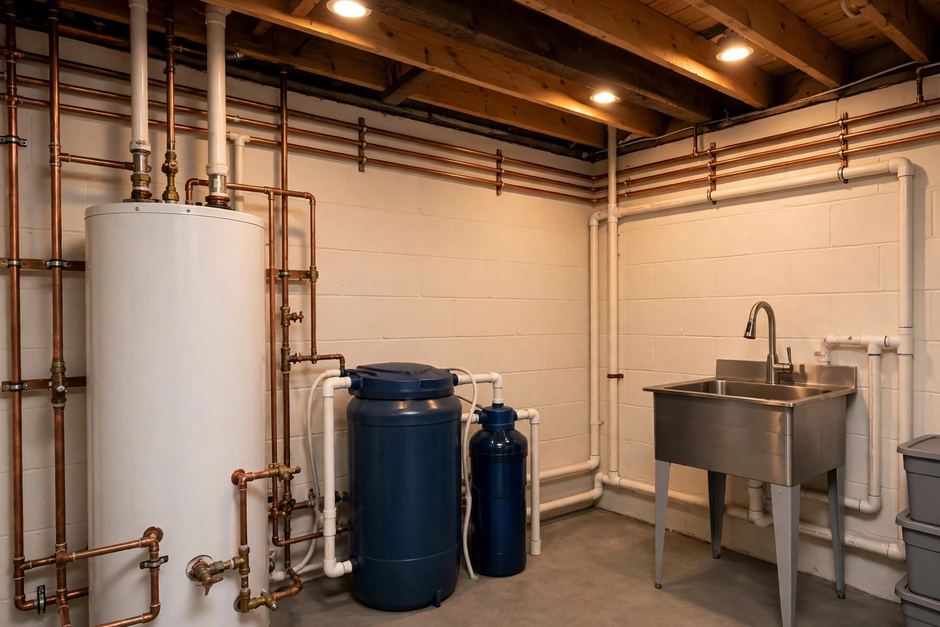
Plumbing repair work varies in scope because access, extent of damage, pipe material, and restoration needs differ from home to home. A named repair, such as a leak fix, can mean a visible joint in one home and a hidden run behind finished walls in another. Plumbing repairs should be compared by written scope, not by the name of the job alone.
This guide states no prices and no ranges. Published guide ranges from other cities describe other markets and other scopes, and they do not transfer to Belleville, Illinois, as quotes. What follows is a factor guide: the elements that shape scope, the questions that clarify it, and the comparisons that keep decisions grounded.
Why the Same Repair Name Covers Different Scopes
Repair names describe problems, not scopes. A leak repair can involve a single exposed joint, a run inside a wall, or a line beneath a floor, and each setting carries different access work, different pipe condition, and different restoration. The name stays the same while the work changes, which is why scope must be described in writing for the home in question.
Home age and pipe material add further variation. Older Belleville homes may hold galvanized, copper, cast iron, or clay components in mixed combinations, with partial repipes from earlier work layered over original runs. Each material and each layer shapes how the repair proceeds and what adjacent work becomes necessary once walls or floors open.
Diagnosis and Access Shape the Scope
Diagnosis comes before repair scope can be stated with confidence. Hidden leaks need locating, sewer faults need camera evidence, and intermittent faults need observation across fixtures and conditions. Diagnostic work narrows the repair to the faulty section, preventing wider opening of walls and floors than the fault requires in the home in question.
Access shapes scope as directly as the fault itself. Leak detection in an open basement differs from detection behind finished walls, beneath flooring, or in a crawl space with limited entry. Opening and restoring finished surfaces adds scope beyond the pipe work, and that restoration belongs in the written scope from the start.
Materials, Extent, and Pipe Condition
Pipe material shapes repair method. Copper, PEX, PVC, cast iron, galvanized steel, and clay each join, cut, and seal differently, and mixed-material runs need transition fittings suited to both sides. Material identification during diagnosis prevents ordering and fitting errors that extend the work beyond the planned scope. Knowing the material before work starts keeps the method matched to the pipe.
Extent matters as much as material. A localized fault in otherwise sound pipe carries a narrower scope than widespread corrosion, repeated failures along a run, or damage that extends into joints and branches. Pipe condition beyond the visible fault, assessed during diagnosis, decides whether spot repair or wider replacement fits the run.
Permits and Restoration Add Scope
The City of Belleville requires a permit before plumbing work begins (§152.05(A)); direct replacement of a toilet, sink, faucet, or other appliance is exempt, except hot water heaters require an electrical or gas permit (§152.05(B)(3)). Permit handling, inspection scheduling, and the boundary between exempt replacement and permitted alteration belong in the scope discussion. No fee total is stated here, since fee schedules must be checked with the City.
Restoration scope follows access scope. Drywall patching, flooring repair, cabinet work, and painting after pipe work can rival the pipe work itself in effort, and responsibility for each element should be named in writing. Cleanup, disposal of removed material, and protection of finished areas during work also belong in the written scope.
What to Compare in Written Scopes
Written scopes should name the faulty section, the repair method, the materials to be used, permit handling, access and restoration responsibility, and what sits outside the scope. Two scopes with the same job name can differ on every one of those elements, so comparison must run element by element rather than headline by headline. Vague scope language leaves room for later disagreement about what was included.
Residential plumbing scopes should also state how changes are handled when opening reveals further damage, since hidden conditions commonly extend repair work. A written change process, agreed before work begins, keeps added scope visible and approved. Exclusions deserve the same attention as inclusions, because an unstated exclusion often becomes a later dispute.
- Faulty section and repair method named
- Materials and permit handling stated
- Restoration and exclusions listed
- Change process agreed in writing
Questions to Ask Before Work Begins
Ask how the fault was located, what evidence supports the diagnosis, which section will be opened, which materials will be used, who handles permits and inspection, and who restores finished surfaces. Ask how the business meets the requirements of the Illinois Plumbing License Law (225 ILCS 320), and how credentials can be verified. Each answer should appear in the written scope, not only in conversation.
Ask also what happens if opening reveals further damage, what the change process looks like, and what remains excluded from the scope. Clear answers before work begins prevent scope growth from becoming a surprise. This guide makes no claim about the credentials of any particular business, and verification with the proper authority remains the reader's step.
Frequently Asked Questions
What affects the cost of a plumbing repair?
Access, extent of damage, pipe material and condition, diagnostic needs, permit handling, and restoration scope all shape repair scope. A visible joint and a hidden run behind finished walls carry different work under the same repair name. Written scope, element by element, is the basis for comparison, and no figure is stated here.
Why does diagnosis affect repair scope?
Diagnosis narrows repair to the faulty section and prevents wider opening than the fault requires. Hidden leaks need locating and sewer faults need camera evidence before scope can be stated with confidence. Diagnostic work itself forms part of the scope, and its findings decide whether spot repair or wider work fits.
Do permits affect repair scope in Belleville?
The City of Belleville requires a permit before plumbing work begins, with direct replacement of a toilet, sink, faucet, or other appliance exempt, except hot water heaters require an electrical or gas permit. Permit handling and inspection scheduling belong in the scope discussion. No fee total is stated here, since fee schedules must be checked with the City.
Why is restoration part of repair scope?
Access work opens walls, floors, or cabinets, and restoring those surfaces can rival the pipe work in effort. Drywall patching, flooring repair, cabinet work, and painting should be named in the written scope, with responsibility assigned. Cleanup and disposal of removed material also belong in the scope from the start.
What should a written scope include?
A written scope should name the faulty section, repair method, materials, permit handling, access and restoration responsibility, exclusions, and the change process for hidden conditions. Comparing scopes element by element reveals differences that job names hide. Vague scope language leaves room for later disagreement about what was included.
Get Help With Plumbing Repair Scope in Belleville
For help with plumbing repair scope in Belleville, Illinois, call Hinkle Plumbing Company at (618) 677-6556 during office hours, Monday through Friday, 8:00 AM to 4:30 PM. The office at 1610 W Main St, Belleville, IL 62220, is closed Saturday and Sunday. Describe the fault, its location, and what has been observed so far.
Ask for the scope in writing, including diagnosis, materials, permit handling, and restoration responsibility, before work begins. Outside office hours, shutting off water where a leak is active limits damage while waiting. This guide states no prices, and any scope discussion should rest on the home in question.