When to Schedule Water Heater Maintenance in Belleville, Illinois
Maintenance attention keeps a water heater heating evenly and reveals wear before failure. This guide explains seasonal timing, what attention generally covers, and signs that attention is due.
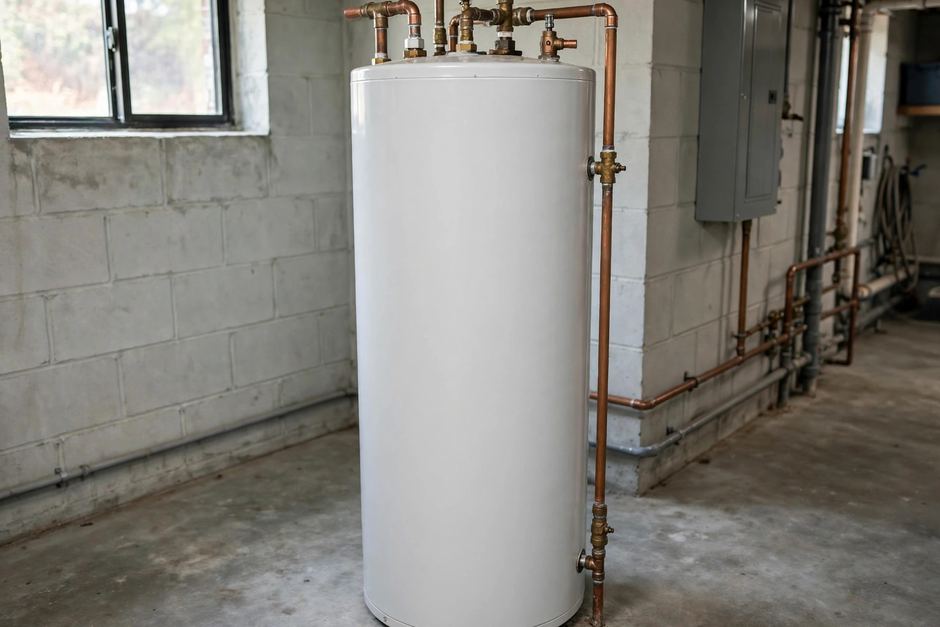
Water heaters work through heating cycles every day, and mineral scale, sediment, and wear accumulate quietly between cycles. Maintenance attention interrupts that accumulation, giving heating parts, controls, and tank condition a periodic look before faults take hold. Water heater repair often traces to wear that earlier attention would have revealed.
Timing in this guide follows seasonal routines and observed signs, not manufacturer requirements, which vary by model and sit in equipment documentation. No schedule is stated here as a requirement for any heater. Seasonal framing gives homeowners a rhythm for attention without presenting that rhythm as a rule. Cold seasons in Belleville, Illinois, shape when heating demand rises.
Why Maintenance Attention Matters
Scale and sediment build inside tanks as water heats and cools, settling at the bottom and coating heating surfaces. Buildup changes how evenly water heats, adds strain to heating parts, and can produce sounds during heating cycles. Attention that clears buildup and checks parts keeps heating even and reveals wear while correction remains straightforward.
Controls and connections wear as well. Thermostats drift, valves stiffen, connections weep, and venting shifts over time, each change arriving gradually enough to escape notice. Periodic attention catches those changes during a planned visit rather than during a failure, when hot water loss forces the issue. Observation between visits adds a further layer of awareness.
Seasonal Timing Without Invented Schedules
Seasonal routines give maintenance a natural place in the household calendar. Attention before the cold season prepares the heater for the period when incoming water runs colder and heating demand rises, while attention after the cold season reviews wear from sustained use. Either seasonal point works as a rhythm, and neither is presented here as a manufacturer requirement.
Household routines can anchor the timing, such as pairing heater attention with other seasonal home checks in fall or spring. The anchor matters less than the recurrence, since regular attention across seasons catches buildup and wear before either advances far. Equipment documentation for the installed model remains the source for any model-specific instruction.
What Maintenance Attention Generally Covers
Maintenance attention generally covers sediment and scale review, heating part condition, thermostat operation, relief valve operation, anode rod condition in tank models, venting and connection inspection, and signs of leaking at the tank base. Each element is assessed rather than assumed, with findings shaping whether further work is needed. No homeowner handling of gas or electrical controls is involved in the attention described here.
Relief valve attention deserves a careful note. The temperature and pressure relief valve protects the tank against excessive temperature and pressure, and its operation is checked as part of maintenance attention. No test procedure is described here for homeowners, and no pressure or temperature figure is stated. Valve assessment belongs with a plumber, who can check operation without homeowner handling.
Signs That Attention Is Due
Sounds during heating, including rumbling or popping, often accompany sediment buildup at the tank bottom. Discolored hot water, reduced flow at hot taps, lukewarm water, and early runout each suggest heating or tank condition issues that attention can assess. Water pooling at the tank base or damp flooring nearby points to leaking that needs attention without delay from seasonal timing.
Rising inconsistency is itself a sign. Hot water that varies in temperature from day to day, or that fades sooner than it once did, suggests controls or heating parts drifting from normal operation. Noting when each sign started, and whether it follows a pattern, helps the plumber assess the heater during the maintenance visit.
- Rumbling or popping sounds during heating
- Discolored water or reduced hot flow
- Lukewarm water or early runout
- Water pooling at the tank base
Tank and Tankless Attention Differences
Tank heaters need sediment and anode attention, since stored water leaves deposits at the tank bottom and anode rods wear while protecting the tank lining. Tank attention reviews sediment level, anode condition, heating parts, and tank integrity together. The stored-water design shapes every element of tank attention, from flushing to connection checks.
Tankless units need scale attention through narrow heating passages, where mineral deposits collect as water heats on flow. Tankless water heater services discussions should include descaling attention suited to the unit and water conditions. Ask whether service is offered for the installed type, since this guide makes no repair scope claim for tankless units.
When to Call for Maintenance Help
Call for help when seasonal timing arrives and attention is due, when signs of strain appear, or when the heater has gone a long period without attention. Plumbing work in Illinois is restricted under the Illinois Plumbing License Law (225 ILCS 320), and the homeowner exception covers single-family owner-occupant homes only. Maintenance work beyond observation belongs with a plumber.
Replacement decisions carry permit framing, since hot water heaters require an electrical or gas permit under City rules as described in the hiring guide. Plumbing repairs found during maintenance should be scoped in writing, with findings stated before further work begins. A maintenance visit that names findings clearly serves the next decision well.
Frequently Asked Questions
When should water heater maintenance be scheduled?
Maintenance timing in this guide follows seasonal routines and observed signs, not manufacturer requirements, which vary by model. Attention before the cold season prepares the heater for rising demand, while attention after reviews wear from sustained use. No schedule is stated here as a requirement for any heater.
Why tie maintenance to the seasons?
Seasonal routines give maintenance a natural place in the household calendar, with fall attention preparing for colder incoming water and spring attention reviewing winter wear. The anchor matters less than recurrence, since regular attention catches buildup and wear early. Equipment documentation remains the source for model-specific instruction.
What signs show sediment buildup?
Rumbling or popping sounds during heating often accompany sediment at the tank bottom, along with discolored hot water and reduced flow at hot taps. Lukewarm water and early runout can also accompany heavy buildup, though each symptom has other causes. Attention assesses sediment level alongside heating parts and tank condition.
What does relief valve attention involve?
Relief valve attention checks operation of the temperature and pressure relief valve, which protects the tank against excessive temperature and pressure. No test procedure is described here for homeowners, and no pressure or temperature figure is stated. Valve assessment belongs with a plumber, who checks operation without homeowner handling.
How does tankless maintenance differ from tank maintenance?
Tank heaters need sediment and anode attention for stored water deposits and lining protection, while tankless units need scale attention through narrow heating passages. Descaling attention suits tankless units and water conditions in the home. Ask whether service is offered for the installed type, since no repair scope claim is made here.
Get Help With Water Heater Maintenance in Belleville
For help with water heater maintenance in Belleville, Illinois, call Hinkle Plumbing Company at (618) 677-6556 during office hours, Monday through Friday, 8:00 AM to 4:30 PM. The office at 1610 W Main St, Belleville, IL 62220, is closed Saturday and Sunday. Describe the heater type, its age pattern, and any signs noticed.
Ask what the maintenance attention covers and how findings will be reported before further work is scoped. Outside office hours, water pooling at the tank base deserves a shutoff at the fixture valves where they turn without forcing. No schedule in this guide is presented as a manufacturer requirement.